Recycling and Sustainability for Business Waste
 Business Waste and sustainability are at the heart of modern operations. Our commitment to reducing environmental impact is driven by a clear target: to achieve a 70% recycling percentage target by 2030 for all commercial waste streams we manage. That goal is ambitious but realistic — it supports circular economy principles, reduces landfill dependency, and helps businesses meet regulatory expectations. Whether you call it business waste management or corporate recycling, the practical steps are the same: measure, separate, reuse and recycle.
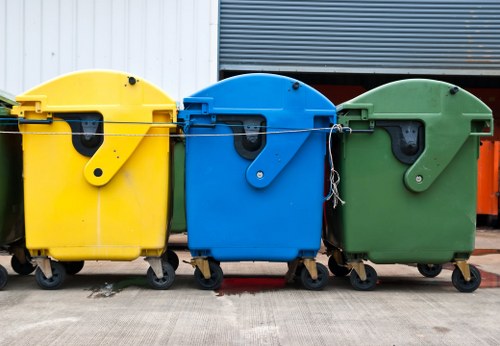
We work across the boroughs with an approach that mirrors local authority policies: many local areas operate separate collections for food waste, mixed dry recyclables and residual waste, while some inner-city boroughs favour co-mingled dry recycling with stringent sorting at transfer sites. Our commercial waste services are designed to integrate with local systems, ensuring that your business recycling aligns with municipal collection methods and helps reach shared targets. Small changes in separation at source can lead to substantial improvements in diversion rates.
 Key recycling activities we support include kerbside-style sorting for separate streams, dedicated food waste collection, and specialist handling for WEEE and textiles. We promote waste segregation for:
- Paper and cardboard
- Glass and rigid plastics
- Food and organics
- Electricals and batteries
- Textiles and furniture for reuse
Local Transfer Stations and Efficient Logistics
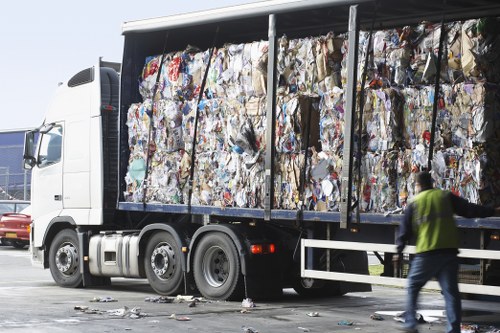
Our network of local transfer stations provides the logistical backbone for efficient business waste management. Materials are collected and brought to nearby transfer facilities where they are screened, baled and dispatched to appropriate processing centres. Using transfer stations within the borough and neighbouring districts reduces haulage emissions and speeds up turnaround for commercial waste collections. We collaborate with regional sorting facilities so that high-quality recyclable loads stay in the local circular economy.
 Partnerships with charities and redistribution networks are a key component of our sustainability model. Usable office furniture, surplus stock and gently used textiles are assessed for reuse and offered to vetted community organisations rather than being shredded or landfilled. These alliances increase reuse rates, cut disposal costs for businesses, and provide tangible social benefits. Our corporate recycling programmes include scheduled collection days for donations, documentation of transfers, and coordination with local volunteer-led reuse hubs.
Beyond donations, we run targeted initiatives to divert items from the residual stream. Business waste audits identify high-impact opportunities — for example, segregating kitchen waste for anaerobic digestion or setting up WEEE take-back procedures for IT asset disposal. These measures are backed by data reporting so stakeholders can see how close they are to the recycling percentage target and where improvements will have the biggest effect.
Low-Carbon Vans, Route Optimisation and Training
Transport is a major element of any waste service, so our fleet transition is a priority. We operate a growing number of low-carbon vans — including electric and hybrid vehicles — across urban routes to reduce emissions and noise. Combined with route optimisation technology, we minimise mileage and idling, which lowers the overall carbon footprint of commercial waste collections. For businesses in denser boroughs, smaller electric vans mean safer, cleaner pickups that comply with urban emissions zones.
 Staff training and client engagement complete the picture. We provide onboarding for site teams on separation best practices, signage templates that reflect borough-level guidance, and regular performance reviews. Clear, standardised waste streams make it easier for drivers and transfer station staff to handle loads correctly and for charities to receive reusable goods. Consistent, repeatable practices result in better recycling yields and fewer contaminants in recycled bales.
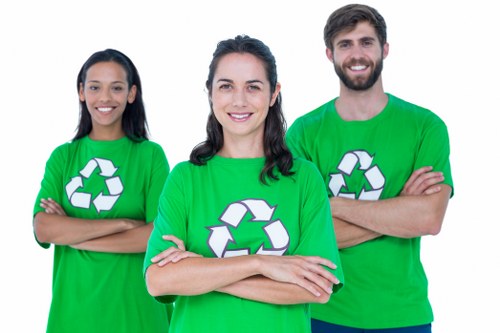 In summary, our integrated approach to commercial waste and business recycling links measurable targets, local transfer station logistics, charitable partnerships, and a low-carbon fleet to deliver sustainable outcomes. By aiming for a 70% recycling percentage target by 2030, aligning operations with borough separation rules, and prioritising reuse through charity networks, we create value for both businesses and communities. Strong governance, transparent reporting and continual improvement ensure your business waste contributes to a resilient, low-carbon future rather than adding to the problem.