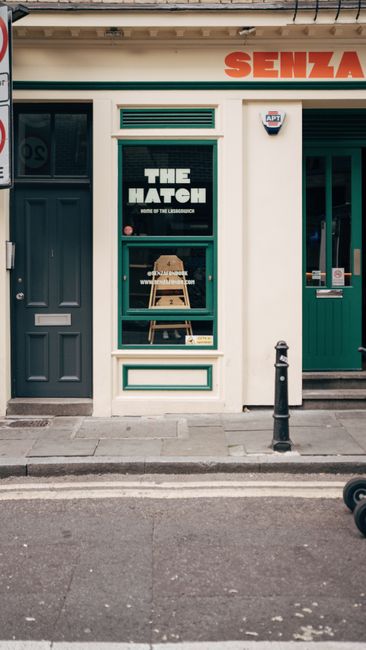
How a Soho Cafe Cut Waste Costs with Regular Collections, London
If you run a cafe in Soho, you already know the rhythm: early deliveries, a lunch rush that somehow arrives faster every day, and bins that seem to fill up the second you turn your back. For one small cafe, the turning point came when the team moved from irregular, reactive waste pickups to a steadier collection schedule. The result was simple but meaningful. Less overflow. Less mess. Better sorting. And, crucially, lower waste-related costs over time. That is the practical story behind How a Soho Cafe Cut Waste Costs with Regular Collections, London.
This article breaks down what changed, why it mattered, and how the same approach can work for other hospitality businesses in central London. We will look at the operational side, the money side, and the compliance side too, without overcomplicating things. Because let's face it, cafe waste is not glamorous, but it is one of those quiet profit leaks that can add up fast.
Contents
- Why How a Soho Cafe Cut Waste Costs with Regular Collections, London Matters
- How How a Soho Cafe Cut Waste Costs with Regular Collections, London Works
- Key Benefits and Practical Advantages
- Who This Is For and When It Makes Sense
- Step-by-Step Guidance
- Expert Tips for Better Results
- Common Mistakes to Avoid
- Tools, Resources and Recommendations
- Law, Compliance, Standards, or Best Practice
- Options, Methods, or Comparison Table
- Case Study or Real-World Example
- Practical Checklist
- Conclusion
- Frequently Asked Questions
Why How a Soho Cafe Cut Waste Costs with Regular Collections, London Matters
Soho is busy in a way that is hard to explain until you work there. Footfall changes by the hour, deliveries arrive in narrow windows, and space is always at a premium. In that environment, waste is more than an inconvenience. It can become a cost driver, a hygiene risk, and a daily headache for staff.
Regular collections help because they bring structure to something that often gets handled last minute. Instead of waiting for bins to overflow and then paying for emergency clearances or extra labour, the cafe can work to a predictable routine. That matters for several reasons.
- Overflow costs money. When rubbish builds up, staff spend more time managing it and less time serving customers.
- Poor segregation increases disposal costs. Mixed waste is usually more expensive and less efficient to handle than properly separated recyclables and general waste.
- Space is valuable. In a compact Soho cafe, a cluttered back-of-house area can quickly affect storage, food prep, and movement.
- Customer experience matters. A bin area that smells or spills near service zones is not exactly the vibe you want at 9:30 a.m.
There is also a local reality to consider. Central London businesses often operate with limited rear access, tight loading times, and neighbours close enough to notice anything untidy. A more regular collection rhythm is not just tidy; it is practical. It gives the team control.
Key point: Regular waste collections reduce chaos first, and costs second. Once the routine settles, the savings usually come from fewer mistakes, less labour waste, and better bin use.
How How a Soho Cafe Cut Waste Costs with Regular Collections, London Works
The basic idea is straightforward. The cafe matched its waste output to a collection schedule that better suited real trading patterns. Instead of treating all waste the same, the team looked at what was being thrown away, when it was produced, and how often each stream needed clearing.
That often means splitting waste into clearer categories:
- General waste such as food scraps, napkins, and non-recyclable packaging
- Recyclable waste such as cardboard, clean paper, and certain packaging materials
- Food waste where separate collection is available and practical
- Bulky or one-off waste such as broken chairs, old fridges, or redundant fixtures
Once the streams are separated, collection planning becomes much easier. A cafe might need more frequent food waste pickups, less frequent cardboard removal, and occasional extra clearance for deep-clean days or refurbishment work. That is where the savings start to show.
To be fair, this is not magic. You still have to train staff, label bins properly, and keep an eye on what ends up where. But that is the point. Small operational fixes often beat dramatic one-off solutions.
Some cafes also use wider waste and recycling support, especially when they want a cleaner back-of-house setup. A service such as commercial waste collection can fit into a larger routine that keeps day-to-day waste under control without creating a storage pile behind the till.
Key Benefits and Practical Advantages
There are several reasons a cafe owner might choose regular collections over ad hoc waste removal. Some are obvious. Some only become obvious after a month of living with the mess.
1. Lower disposal pressure
When collections happen before bins are full, there is less need for emergency callouts, rushed decisions, or awkwardly stacked bags waiting in corridors. That alone can reduce waste-related spend.
2. Better staff efficiency
Every minute someone spends wrestling with bin lids, shifting bags, or reorganising a cramped yard is a minute not spent on service. Regular collections create a cleaner workflow. Simple, but powerful.
3. Improved hygiene and odour control
Food waste left too long in warm conditions can create unpleasant smells quickly, especially in summer or in a small enclosed space. Regular collections cut that problem off early.
4. Cleaner compliance habits
When waste is collected on a schedule, sorting becomes part of routine rather than a panic response. That makes it easier to keep records, monitor waste streams, and avoid casual mistakes that can become expensive later.
5. Better use of limited space
In Soho, every square foot matters. A more disciplined waste system can free up storage space for stock, cleaning kit, or dry goods. That is not glamorous either, but it helps the business breathe a bit.
| Approach | What happens | Typical effect on cost and operations |
|---|---|---|
| Irregular collections | Waste builds up until it becomes urgent | Higher labour waste, more overflow risk, poorer organisation |
| Regular scheduled collections | Waste is removed before it becomes a problem | More predictable workflow, less mess, better bin use |
| Reactive emergency clearances | Collection only happens when the situation is already bad | Often the most disruptive and least efficient option |
Who This Is For and When It Makes Sense
This approach makes sense for a lot more businesses than just one Soho cafe. If your venue handles regular customer traffic, takeaway packaging, food prep waste, or limited storage, there is a good chance a structured collection schedule will help.
It is especially useful for:
- Independent cafes with tight back-of-house space
- Brunch spots with high packaging and food waste turnover
- Grab-and-go counters with limited storage capacity
- Hospitality businesses operating in central London streets with access restrictions
- Businesses trying to reduce mixed waste and improve recycling habits
It tends to make sense when you notice one or more of these signs:
- Bins are filling faster than expected
- Staff are making repeated waste-related trips during service
- Waste is stored in customer-facing or awkward areas
- Collections are happening too late, or not often enough
- Rubbish costs are rising without an obvious explanation
And if you are wondering whether the solution is always "more frequent pickup," the honest answer is no. Sometimes the answer is better sorting, smaller bins in the right places, or a different collection mix. Frequency matters, but so does fit. That part is easy to miss.
Step-by-Step Guidance
Here is a practical way to improve waste costs without turning the cafe upside down.
- Measure what you throw away. Even a simple one-week audit can show where the waste is coming from. Look at food waste, packaging, cardboard, and general rubbish separately.
- Map peak times. A cafe that serves breakfast and lunch will have different waste patterns from one with heavy afternoon trade. Timing matters more than people think.
- Separate waste streams clearly. Use labelled bins and make sure the layout suits staff movement. If a bin is in the wrong place, people will use the nearest one. Human nature, really.
- Match collection frequency to output. Food waste may need the most regular pickup, while cardboard might be cleared less often if it is stored clean and dry.
- Reduce contamination. A recyclable bin contaminated with food residue can quickly lose value. Cleaner separation usually means better efficiency.
- Review storage and access. In Soho, alley access, loading windows, and narrow pavements can all affect collection timing. Plan around reality, not wishful thinking.
- Train every shift. Morning staff, close-down staff, and managers should all know the same routine. If each team does it differently, the system gets messy fast.
- Review after a month. Check whether bins are still overflowing, whether collection frequency is right, and whether waste charges have changed. Small adjustments often produce better results than big overhauls.
A useful rule of thumb: start with the messiest pain point first. That might be food waste, it might be cardboard, or it might simply be the fact that no one knows where the bin key lives. Yes, that happens more than it should.
Expert Tips for Better Results
In practice, the best waste savings come from a combination of planning, discipline, and small behaviour changes. Nothing flashy. Just steady improvement.
- Place bins where waste is actually created. If staff have to carry scraps across the room, shortcuts will creep in.
- Use lids and liners that suit the waste stream. A bin that is too awkward to use gets ignored. Then things get shoved beside it. Lovely.
- Keep cardboard dry and flat. This takes up less room and makes collections more efficient.
- Separate prep waste from customer waste where possible. That makes the numbers easier to understand and can improve sorting discipline.
- Build waste checks into close-down tasks. A 30-second inspection at the end of the day can stop a lot of tomorrow's problems.
- Track recurring mistakes. If the same bin keeps getting contaminated, there is usually a layout or training issue behind it.
One thing we see quite often is businesses focusing only on the collection schedule and ignoring the bin routine inside the premises. That is a bit like fixing the drain outside while leaving the tap running inside. The pickup matters, but the source control matters too.
If your cafe also deals with larger items from time to time, such as broken shelving or a redundant fridge, it can help to plan separate clearance support instead of dumping it into the general waste stream. For that kind of heavier material, a service like business waste removal in Soho can be a better fit than trying to improvise.
Common Mistakes to Avoid
Waste systems usually fail in small, boring ways. That is the annoying part. You do not often get one dramatic disaster. You get little frictions that add up.
- Setting collection frequency by habit instead of need. Old routines are not always efficient routines.
- Mixing recyclable and non-recyclable waste. Contamination reduces the usefulness of sorting and can increase disposal inefficiency.
- Ignoring peak trading periods. A Monday schedule may work in winter but fail in a busy tourist month.
- Not training part-time staff. In cafes, shifts change often. If training is inconsistent, bins end up the same way.
- Leaving bulky items to "sort out later." Later often means clutter, lost space, and a rushed clear-out.
- Forgetting storage conditions. Wet cardboard, exposed food waste, and poorly sealed bags create problems quickly.
There is also a quieter mistake: assuming that lower cost always means fewer collections. Sometimes a slightly more frequent service actually reduces the total spend because it prevents overflow, delays, and extra labour. Counterintuitive, but true enough in real operations.
Tools, Resources and Recommendations
You do not need a fancy system to improve waste performance. You need a few practical tools and a reliable process.
- Simple waste log: Track what goes out, when, and in what volume. A clipboard or shared sheet is often enough.
- Labelled bins: Clear labels reduce confusion across shifts.
- Separate storage containers: Useful for cardboard, food waste, and general rubbish.
- Regular review notes: A short monthly note on waste issues helps spot trends before they get expensive.
- Supplier and packaging review: Sometimes the waste problem begins with over-packaged deliveries or unnecessary single-use items.
For businesses that want a broader improvement plan, these pages can be useful starting points:
- waste collection for routine removal planning
- recycling and sustainability for improving separation and reducing avoidable waste
- pricing and quotes if you want to understand costs before changing your service setup
And if your venue is looking beyond waste alone, it is worth reviewing service pages that reflect your wider operational needs. A cafe does not run in silos. Everything touches everything else, a bit frustratingly sometimes.
Law, Compliance, Standards, or Best Practice
Waste handling in a London cafe is not just an operational question; it is also a duty-of-care question. Without getting too legalistic, businesses are generally expected to manage waste responsibly, store it safely, and arrange disposal through appropriate channels. If you produce commercial waste, you should treat it as a managed business process, not a side task that anyone can guess their way through.
Best practice usually includes:
- Keeping waste contained so it does not create a nuisance or hygiene issue
- Separating recyclables where practical and commercially sensible
- Using a reliable, documented collection arrangement
- Keeping staff informed about what can and cannot go into each bin
- Staying alert to local access issues, especially in central London
In hospitality, hygiene expectations are high, and rightly so. Food waste should be managed in a way that supports cleanliness, pest prevention, and safe working conditions. If a collection system is too infrequent, the risk is not just cost. It is operational stress and avoidable mess.
It is also sensible to keep records of collections and service changes, especially if you are reviewing suppliers or trying to understand whether your current setup still fits your business. Documentation sounds dull. It is dull. But it saves arguments later.
For businesses that want to understand the broader service framework around waste handling, the site's business waste removal page is a sensible place to start.
Options, Methods, or Comparison Table
Not every cafe needs the same waste setup. The right choice depends on size, trading pattern, storage space, and the type of waste produced.
| Method | Best for | Strengths | Watch-outs |
|---|---|---|---|
| Fixed regular collections | Busy cafes with predictable output | Predictable, simple, easier to budget | May need review during seasonal peaks |
| Variable collections based on volume | Businesses with changing trade levels | More flexible and adaptable | Requires close monitoring and coordination |
| One-off clearance support | Refits, deep cleans, or bulky waste events | Good for occasional large jobs | Not efficient for everyday waste |
| Mixed reactive approach | Temporary or very low-volume sites | Can work in narrow circumstances | Often leads to inconsistency and avoidable cost |
For many Soho cafes, a hybrid approach works best: regular general and food waste pickups, lighter recycling collections where possible, and separate support for bulky items when needed. That balance usually gives the best mix of cost control and practicality.
Case Study or Real-World Example
Here is a realistic example based on the kind of operational change many Soho cafes make.
A small cafe near the centre of Soho was dealing with a familiar problem. Cardboard boxes were stacking up after deliveries. Food waste bins were filling quicker than staff expected. By the end of the week, the back area felt cramped, and close-down took longer than it should. Nothing dramatic, just persistent friction. The sort of thing that wears people down.
The team reviewed what was actually being thrown away and changed three things:
- They separated cardboard from general waste more consistently
- They moved to a more regular food and rubbish collection pattern
- They gave staff a simple bin routine at close-down
After that, the back-of-house area stayed clearer, and staff spent less time moving waste around during service. They also reduced the need for occasional overflow clearances, which had been the expensive part. The biggest change was not just financial. It was calmer working conditions. You notice that quickly in a cafe. The air feels less fraught, the floor is easier to keep clean, and the team stops bracing itself every afternoon for "the bin situation."
That is the real lesson here: cost reduction often starts as a workflow improvement. The savings follow the system.
Practical Checklist
Use this checklist if you are reviewing waste collections for a cafe in Soho or a similar part of central London.
- Review current waste output for at least one full trading week
- Separate general waste, recyclables, and food waste where possible
- Check whether collection frequency matches actual bin fill rates
- Confirm staff understand which waste goes where
- Look for contamination problems in recycling bins
- Inspect bin placement and access routes
- Keep bulky items out of regular waste streams
- Record any overflow incidents or missed pickups
- Review costs after the first month of changes
- Adjust the schedule if trading patterns shift seasonally
Expert summary: A good waste system for a Soho cafe is not the one with the most collections. It is the one that matches real trading patterns, keeps the space clear, and reduces mixed waste without creating extra work for staff.
Conclusion
What this Soho cafe showed is refreshingly unglamorous: regular collections can lower waste costs because they make the whole operation cleaner, calmer, and easier to manage. There is less overflow, fewer rushed fixes, and more control over what gets thrown away and when. In a busy London setting, that control matters a lot.
If your cafe is dealing with waste that feels bigger than it should, start with the routine, not the crisis. Look at the bins, the timing, the sorting, and the storage. Small improvements usually unlock the biggest gains. That is the boring truth, and the useful one.
Get a free quote today and see how much you can save.
And if you get the system right, the back-of-house stops feeling like a daily scramble. That alone can be worth it on a rainy Soho morning.
Frequently Asked Questions
How did the Soho cafe actually cut waste costs?
By moving from irregular, reactive waste handling to a more regular collection schedule, separating waste streams more clearly, and reducing overflow and labour waste.
Is regular waste collection always cheaper for a cafe?
Not always in a simple way, but it often reduces total waste-related costs by preventing overflow, extra labour, contamination, and emergency clearances. The right schedule depends on output.
What waste streams matter most in a Soho cafe?
General waste, food waste, and cardboard or other recyclable packaging are usually the main ones. The right mix depends on your menu, delivery volume, and storage space.
How often should a cafe in central London get collections?
There is no one-size-fits-all answer. Busy cafes may need food waste collected more frequently than cardboard or general rubbish. The best schedule matches actual bin fill rates and trading peaks.
Why does waste build up so fast in Soho cafes?
Because space is tight, footfall is high, deliveries are frequent, and back-of-house areas often have limited storage. A small delay in collection can create a big mess quickly.
Can better recycling really reduce costs?
Yes, especially when recyclable waste is kept clean and separate. Better segregation can reduce the amount of mixed waste and improve how efficiently the site is managed overall.
What is the biggest mistake cafes make with waste?
Probably setting a collection routine by habit instead of by actual need. A schedule that looked fine last year may no longer fit the business today.
Do staff need training for a new waste system?
Yes. Even a simple system works better when every shift understands the bins, the labels, and the close-down routine. Without that, habits drift pretty quickly.
What should I do with bulky waste like broken furniture or fridges?
Keep it separate from everyday waste and arrange a suitable clearance option. Bulky items can interfere with normal bin space and should not be left to pile up.
How can I tell if my current waste setup is inefficient?
Look for full bins before collection day, recurring overflow, contaminated recycling, staff spending too long on waste tasks, or storage areas that feel crowded and untidy.
Does a cafe need to keep records of waste collections?
It is a good practice. Records help you review service performance, understand costs, and spot recurring problems before they grow into bigger issues.
Where should I start if I want to improve waste management now?
Start with a one-week waste review, then check bin placement, collection frequency, and sorting habits. Small changes often make the biggest difference first.